
WineAmerica getting involved with funneling federal help to wineries affected by freeze
Michael Kaiser, the organization's executive director, said he'll work to help secure money for wineries in Pennsylvania, New Jersey, Maryland and Virginia.

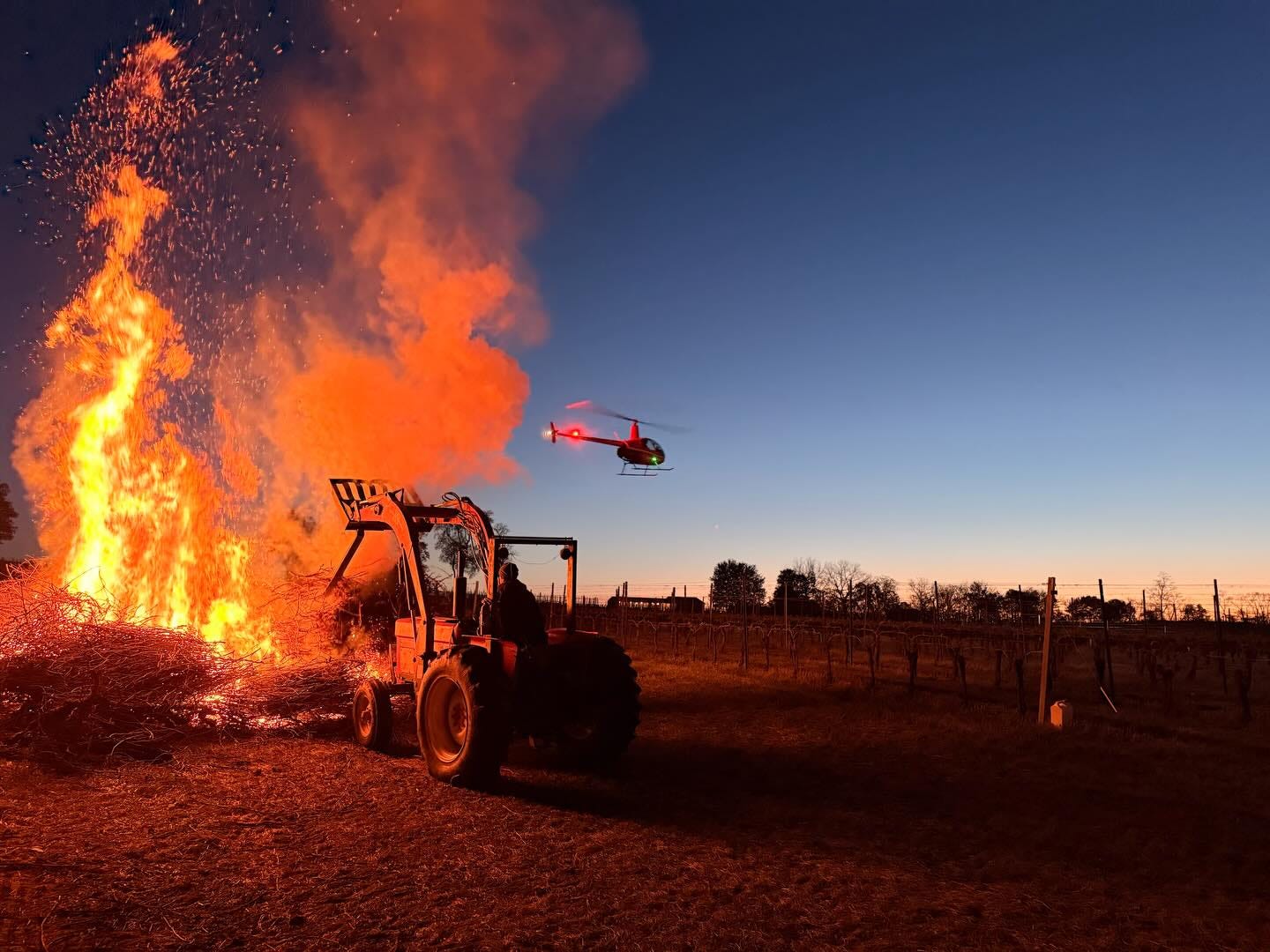
There will be stories written throughout the remainder of the year about the repercussions from the overnight freeze on April 20-21 that simply clobbered vineyards and orchards in the mid-Atlantic, with the biggest effects across Pennsylvania, Maryland, New Jersey and Virginia.
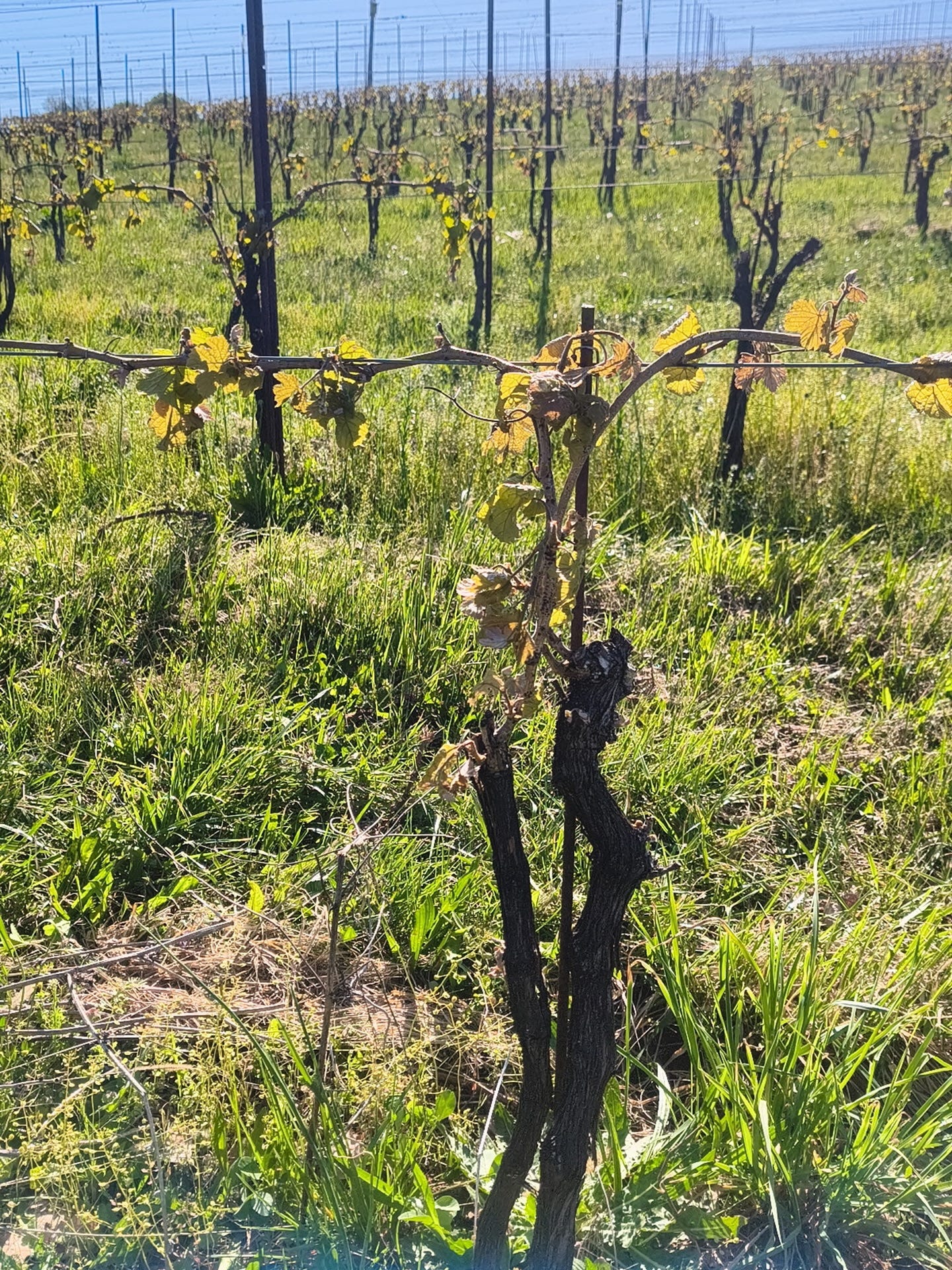
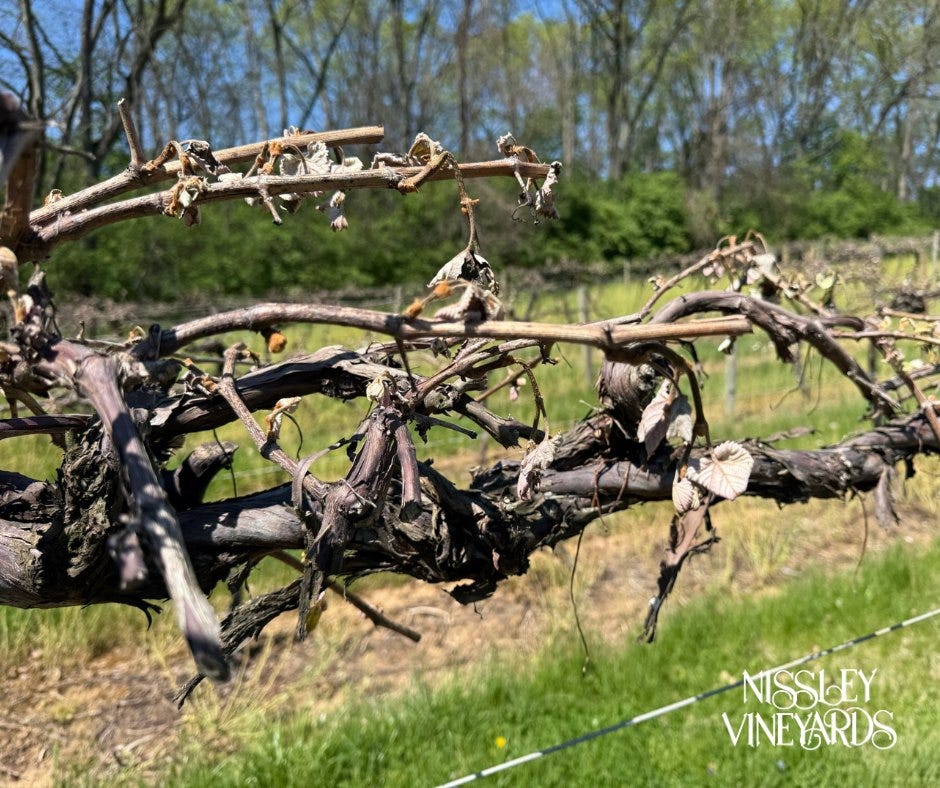
Many affected wineries have talked about losing 50 percent to 80 percent of their 2026 crop, with the fear that the damage not only crippled this vintage but killed the vines, forcing them to be pulled out and replanted.
That assessment is ongoing, with wineries waiting to see whether secondary buds offer hope for a crop of some kind this year.
Meanwhile, organizations in all four states have sent out information that asks for input from growers in addition to providing some suggestions on how to handle what comes next.
Penn State Extension published this online guide: 2026 Grapevine Spring Freeze Injury: What to Expect, Next Steps, and a Survey
The survey can be found at this link.
Rutgers invited New Jersey fruit growers to fill out a survey (at this link) “to better understand how recent frost events have affected fruit production, economic impact, and how growers are managing this risk. The information collected will help us assess the overall severity of the frost and compile broad, aggregated data to effectively communicate its impact to legislative offices and Farm Service Agency, and others. Your input will help inform research and Extension programs to support fruit growers in New Jersey better.”
Janna Howley, of Cultivate + Craft, which supports value-added agricultural organizations and the businesses they represent in Maryland, including the wineries, said in an email that 41 state legislators have signed a letter to Gov. Wes Moore, requesting emergency funding. “We are also requesting a blanket, two-year waiver to our 51% ingredient, or 20 acre, requirement,” she said.
Virginia Tech’s Viticulture Extension Program published this summary, with additional resources listed at the end of it
Denise Gardner, the former Penn State Extension enologist who left in 2017 to establish a consulting service, posted a guide on her site entitled “After the Freeze: How Wineries Can Manage Extreme Crop Loss” while offering additional advice for her clients, noting that in an Instagram post.
While much is being done on the state level, WineAmerica Executive Director Michael Kaiser said late last week that his organization will be working with all four states to help get some emergency funding from the federal government to mitigate some of the losses from the freeze.
It’s a similar move to 2023, when a late frost on May 18 was particularly significant in the Fingers Lakes (wineries such as Silver Thread Vineyard experienced damage up to 100% in some exposed blocks, while Keuka Lake Vineyards reported losing between 50% and 65% of their crop for the year). Wineries located north into Quebec and south into Pennsylvania and Maryland also were hit, although the injury to vines was not as extreme as this year’s in those two states. Pennsylvania was one of 10 states that year that sent a letter to the U.S. Department of Agriculture requesting aid.
“What we were able to do [in 2023],” Kaiser said, “is that there was already money that was going to be helping mitigate fire damage and smoke damage on the West Coast, and we were able to get that to also be option or open for frost damage. So I believe, not only the mid-Atlantic, I believe the Finger Lakes in New York had some really bad losses that year, and they were able to tap into some of that money that was originally just supposed to be used for smoke damage relief, that we were able to make more for just overall disaster relief.
“That’s kind of what we’re looking for right now,” he added. “Maybe if we can get that, or when they go through the appropriations process later in the year to see if we can get some more money for those particular states that producers can apply for grants, if you will.
“Another problem that they’re going to have is they’re going to have to waive some of those state labeling laws if they’re bringing in fruit from out of state. I think Virginia is going to be a problem for that. I’ve seen some good news that there is some secondary growth that some people are going to get, but it’s not going to even be remotely close to what they were expecting.”
ALSO READ
Smudge pots, anti-frost candles and a long night of sweating things out
“A Gut Punch”: Spring Freeze Devastates Vineyards in the Mid-Atlantic
Pa. winery among many figuring out the year post-freeze: ‘It’s a heck of a mess’